Posts Tagged ‘tuition’


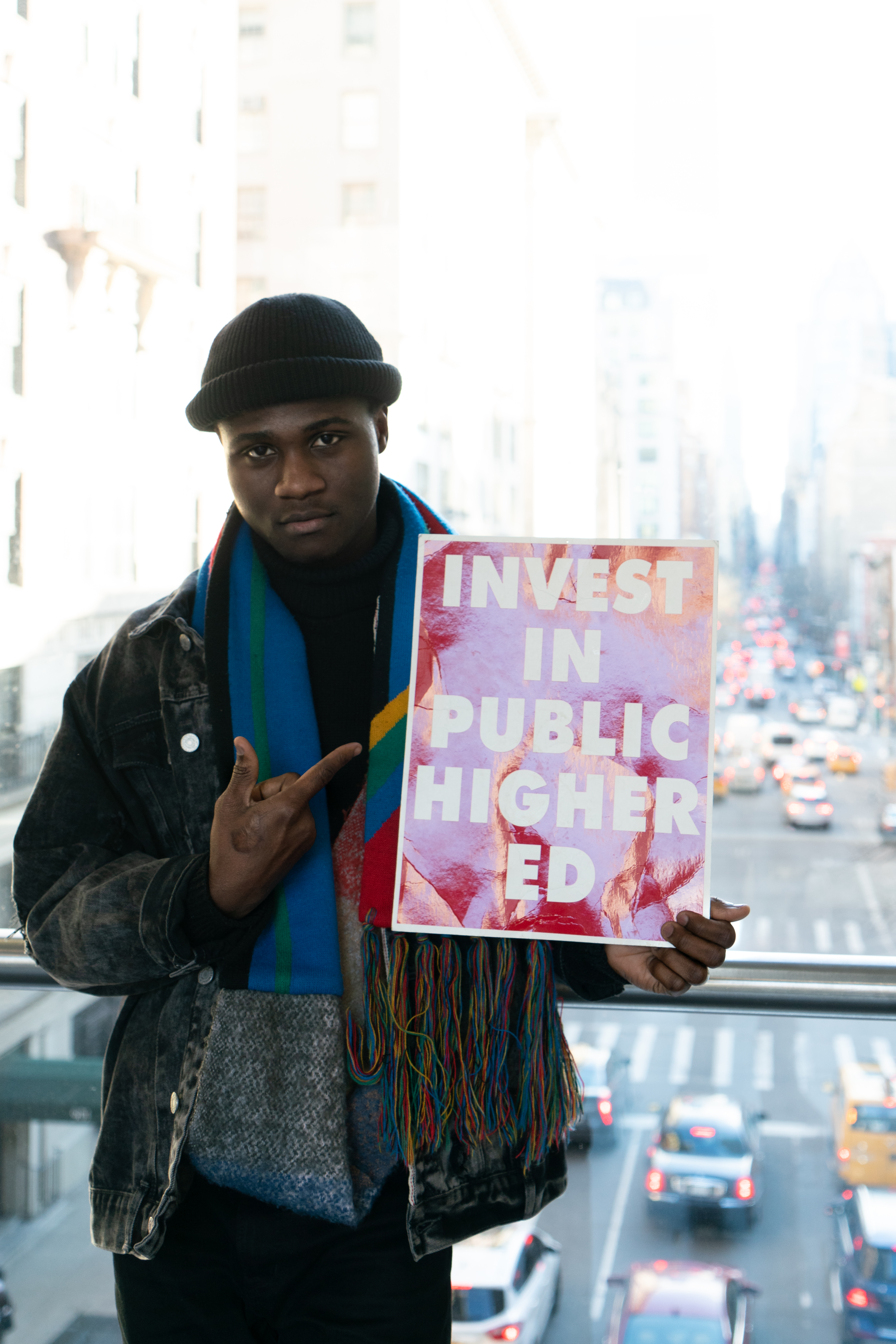
I go to Hunter College, double majoring in Environmental Studies and Urban Studies, and minoring in Asian American Studies. I would like to preface this by clarifying that although my story will sound oddly similar to other students’ experiences with college, it is not a testament of how poorly we manage our time, but rather it is a multitude of personal and systematic circumstances that make us have to work that much harder to leave college successfully with degrees.
Tuition has been going up every year, yet the quality of education is remaining stagnant. Having been at Hunter for nearly four years, I have seen a decrease in diversity and availability of course offerings throughout the semesters, making it harder to finish elective requirements for my majors. In addition to that, I have lost all my financial aid in the last two years of college, even though FAFSA has been asking for the same tax forms with the same necessary information.
To go from having my financial aid covering the entirety of my tuition to having absolutely no funding, it has been an extreme financial burden. As a full time student with an internship and volunteer extracurricular activities, working a part time job in order to fund my education is another stressor making it all the more difficult to have a successful higher education career. Because of the limited course selections, it makes it more difficult to rearrange my class schedules to allow availability for a part time job.
For my first three years of college, I was working not only as a server three to four days a week, but also as an usher. After attending classes and doing all my extracurriculars in the morning and afternoon, I would have to rush to work, work another seven to eight hours, suffer through immense nightly train delays, and get home at 2 or 3am, only to study and do more schoolwork.
Losing my financial aid and having to pay the ever increasing cost of tuition has compromised not only my educational success in college, but also my mental and physical health. For years, I was only getting two the three hours of sleep maximum, if any at all. In addition to that, there were days I did not have time to meal prep and bring lunch from home, leaving me no choice, but to either buy lunch at school or skip out on meals because I simply could not afford it. This is why CUNY schools need more funding for more opportunities to expand financial aid programs.
I am a junior at Hunter College majoring in Political Science with a minor in Black Studies. I am also the first person in my family to go to college. Right now, my main priority is to graduate as soon as possible so I can get a job to provide for my family and pay my student loans.
I was first a college student at SUNY New Paltz where I was part of the Education Opportunity Program (EOP). One of my main challenges at New Paltz was the price of textbooks. Even though I was working two on-campus jobs, I found myself spending two thirds of my paycheck towards textbooks. I addressed the issue to my EOP advisor, who cared and loved me like their own, and they were able to help me with an EOP book voucher. This voucher helped me to pay for the rest of my school supplies. The downside is that this book voucher is limited. I know that I am one of so many students who struggle with textbook costs.
In the fall of 2018, I transferred to Hunter College. The first thing that comes to mind when people ask me why I transferred is the fact that the cost of tuition at SUNY New Paltz was overwhelming. As a full-time college student, it was impossible for me to get a job that would cover my tuition so every semester I had to take out loans.
I’m now in SEEK. Like EOP, Search for Education Elevation and Knowledge Program (SEEK) helps me with my textbooks and provides me with an advisor. Thanks to the SEEK program, my transition from New Paltz to Hunter College was very smooth. This is why we need true leadership from our representatives to defend and expand opportunity programs.
I am currently a senior double majoring in Political Studies and Urban Studies. I do not qualify for the TAP and Pell grants, but I do receive a small scholarship from Hunter since I am part of the Roosevelt Scholars Program. While the scholarship helped me in paying my tuition, I still struggle to make ends meet. I currently work two jobs, totaling to around 40 hours per week, in order to finish paying off my tuition. I also try to help my family out with expenses at home since both my parents are not working.
Since I work two jobs, I find it hard to make time to focus on my studies. There have been countless times where I had to choose between calling off for work in order to study for a test and risk losing my job, or to go to work, pull an all-nighter to study and hope that I studied enough to do well in the class.
If I had a larger scholarship, I would not have to work 40 hours a week. Instead, I could focus more time on my studies and other opportunities that would help me in developing my future.
 South African leader Nelson Mandela once said, “Education is the most powerful weapon in which you can use to change the world.” Since I started my education at Queensborough Community College in fall 2016, I’ve realized my growth and the importance of having a college degree. In the future, I would like to become an attorney, to advocate justice for those less fortunate.
Currently, I’m enrolled in the ASAP program and I am a TAP and Pell recipient. I could not imagine coming to school without financial aid and opportunity programs that help support and pay for my schooling. Without these I would probably be more focused on working long hours to pay off tuition, than on classes and experiences that would be beneficial to my career later on. I want tuition hikes to be ended and higher education in New York to be fully funded so everyone will have the chance to get a fair education and further themselves like I am.
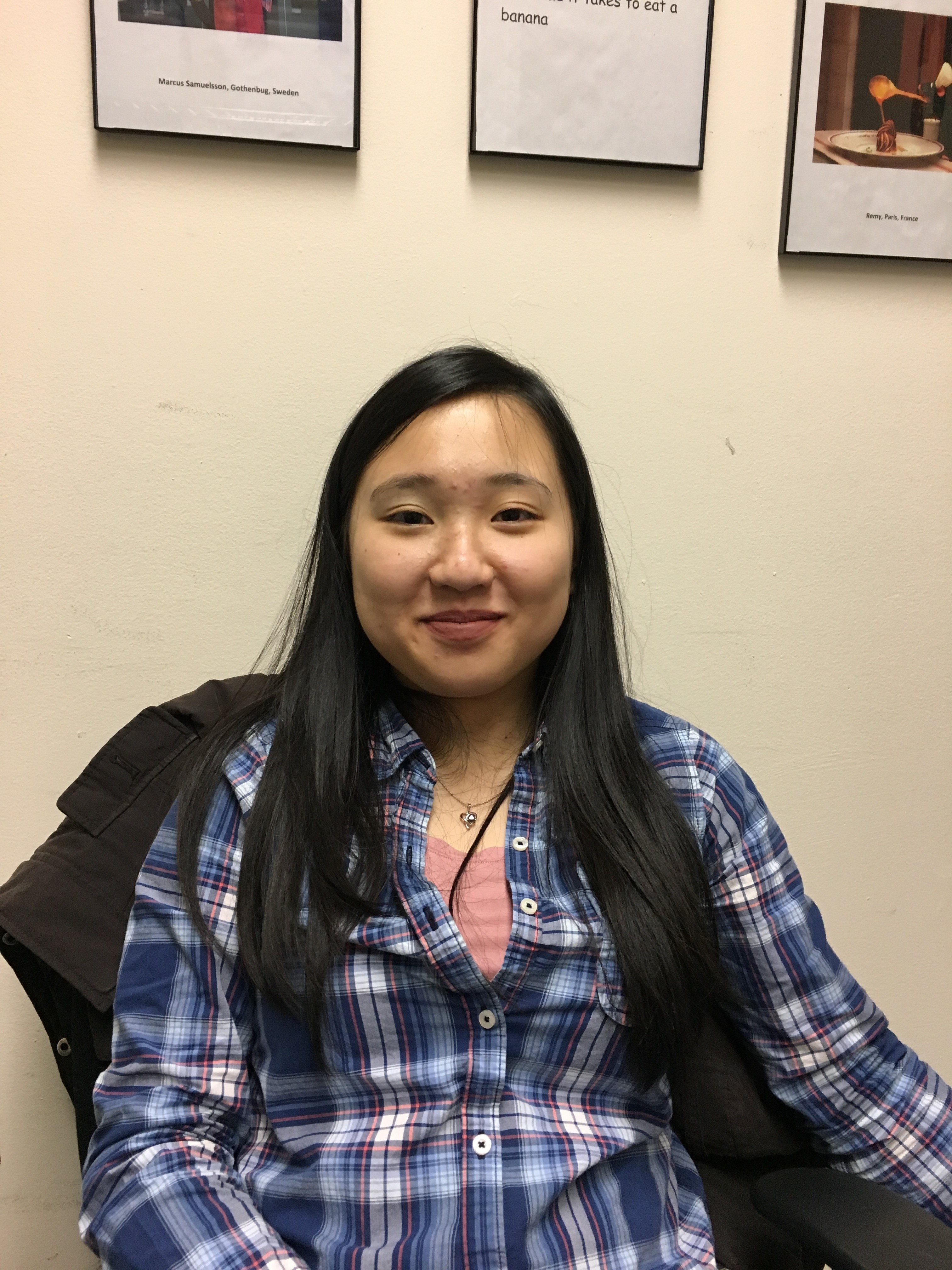 I am a freshman at CUNY City College. My major is currently undeclared but I am exploring my options by taking a diverse range of classes. I do not have a job but would like to get one in the future to support my daily needs. Due to my parents’ income, I do not qualify for financial assistance and do not receive any TAP or Pell Grants.
Although CUNY’s tuition is lower than other schools, my parents have to pay all the school costs for both my brother and I, which places a significant burden on their shoulders. I do not qualify for the Excelsior Scholarship because my household income is slightly above the limit. I am able to pay for textbooks and weekly meals but the costs continuously add up. I am only a freshman so I have three more years of tuition, textbooks, and other costs left to pay in order to continue my higher education. As a result, my biggest challenge is not my classes, but being able to pay for the classes I need in order to graduate.
 To pay for my education, I get a Pell Grant and a TAP Grant from New York. Usually, I would pay for books with my book voucher, but this year I couldn’t because tuition went up. The way the voucher works is that I would need to have at least $100 more in financial aid than tuition costs. Due to tuition hikes at Nassau Community College, that did not happen this semester. Instead, I had to use a credit card and some money that I had left over from my summer job to pay for my schoolbooks.
I plan on graduating Nassau Community College, and moving on to get my Bachelor’s Degree in Education. Since I want to be a teacher, I will need to follow that with my Master’s in teaching which only adds to the costs I will have to pay. The cost of attending a 4-year school are very concerning for me, because I know I will have to take out student loans. I’m worried that by the time I would be eligible for loan forgiveness programs; these programs would have been dismantled. Any cuts to these programs would be putting my future at risk.
Here in New York, we need to increase funding for SUNY and CUNY schools so professors and academic programs can be properly paid for and so electricity and other utility bills aren’t put on the backs of students. Our state leaders can definitely do a better job in terms of funding our schools.
 I’m a student in the Human Service field, I feel forced to take out loans because my mother is the only other person helping me pay for my education and she is a single mother.
While I was at my 2-year school, both of my parents ended up paying for half of my tuition while I worked my brains out and paid for the other half myself. My mom can’t help me out anymore because of the tuition hikes, which forced me to take out loans in the middle of the semester to cover the tuition. It’s not ideal but it’s better than dropping out.

Well, in general CUNY and SUNY tuition hikes are detrimental to lower class students who rely on the lower tuition for their advanced education. Because of the hikes, students are having to resort to increasingly drastic measures to make up the money.
In my case, I’ve been penny pinching since middle school so I’ve accumulated enough savings to pay through undergrad out of pocket. However the tuition (and especially the hike) has had me reassess my financial situation to see what I’ll have to cut and what I’ll have to do in order to afford it. Since on top of paying for school, I live alone and basically have been living self-sufficiently. On a side note I’m living almost exclusively on white rice to keep a monthly surplus.
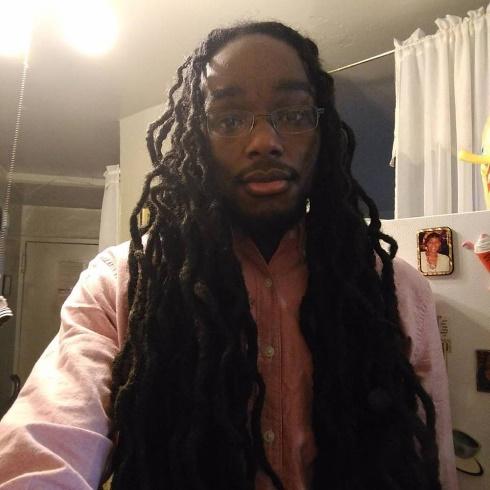
I am currently in $33,000 of student loan debt, and I’m one of the lucky ones, as I know of people whose debt far exceeds that amount. There was never an option of paying out of pocket as I, nor anyone in my family can afford the astronomically high amount it cost to attend school.
The constant rise of tuition is a serious issue for all students as it is pricing out lower income families from a higher education. Even those currently receiving the Excelsior Scholarship could lose it and be faced with this hike.