Posts Tagged ‘job’


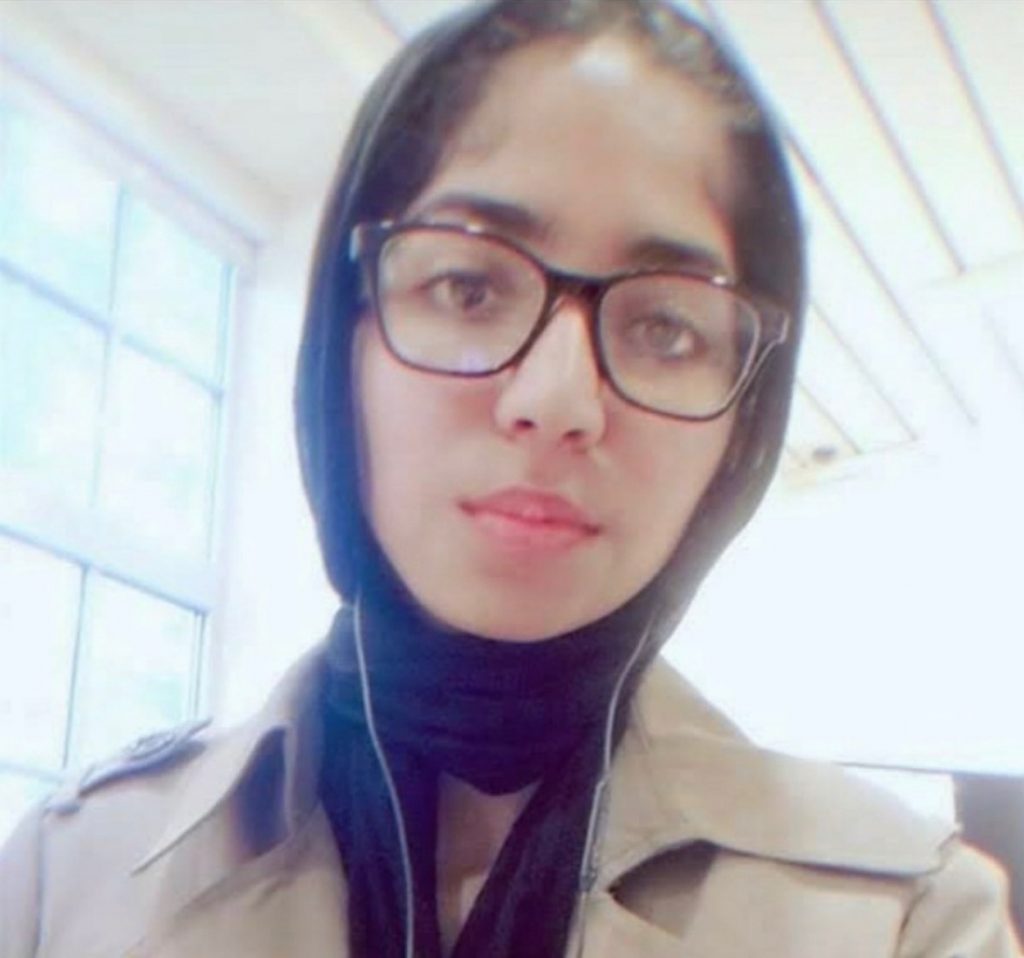
I am a freshman at Brooklyn College. I’m currently undecided. But I hope to major in something that will guarantee a job as soon as possible, so I’ll probably major in something STEM-related. I always knew I had to study and get a higher education so I could be financially independent, move out, and live my life on my own terms.
I currently receive a Pell Grant and TAP. I am the first woman in my family to go to college. I hate the anxiety of filling out my FAFSA when I don’t know how much money I’ll receive. I don’t know why I received less money this year too. The financial aid I receive covers my tuition, textbooks and lab fees. But it does not cover rent, food, and living expenses. I don’t have a job right now but I am looking for one so that I can cover the added expenses of college that people don’t normally consider. I’d never be able to pay rent and pay tuition at the same time. That’s why I still live with my family. TAP should be expanded so that students can better focus on their studies and worry less about the added expenses of education.
As a first year college student, I was not prepared for how challenging life outside of the classroom could be. Many of my friends have struggled with food insecurity due to not being able to pay for their meals, because their schedules are so packed that they can’t balance having a job plus being a full-time student. We’re forced to eat on-campus, which is very expensive and a lot of the time isn’t accessible enough to students with different needs. This then adds additional stress to us, which makes being a successful student almost impossible.
I’ve also seen how little mental health resources are made available to students. I’ve struggled with mental health issues over the past year, and being able to get help has been a major struggle. I have had to wait hours for an appointment at times due to a lack of available staff and resources. I know many other schools don’t have nearly as many resources for students on-campus that we do. We cannot reach our potential as students or even live normal lives if we don’t have a support system to provide us with the assistance we need.
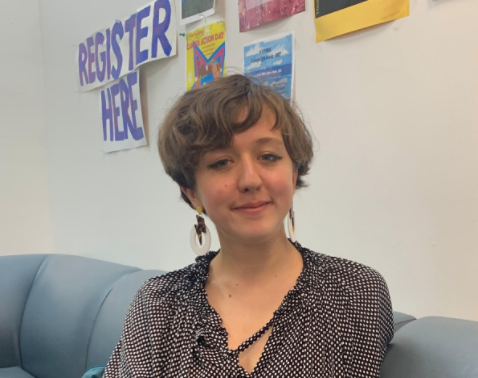
I am a senior at SUNY New Paltz, majoring in English and Journalism. I decided to go to a state school because it would be cheaper than any other on-campus experience I could have. Despite this, I’m still going to be in debt for quite a long time after I graduate. It’s scary to think about, especially now with having to enter the work world after a catastrophic event like the COVID-19 pandemic. Job opportunities will be scarce and my debt will only grow the longer it doesn’t get paid off.
It is vital that we close the TAP gap, expand the excelsior scholarship, and increase state funding for SUNY/CUNY. The financial burden of tuition costs does not belong on the backs of students. Affordable higher education is essential to the future success and economic wealth of New York State.
I love Pratt, but sometimes I feel frustrated that the institution doesn’t do a better job accommodating the financial needs of students. I’m commuting from Astoria, Queens to my classes because of the cost of housing here at Pratt. It was also really tough getting a work-study position. A lot of my friends weren’t able to either, and I think there should be more jobs available on campus. It’s difficult enough having to work while being a student, and I think Pratt could do a better job acknowledging that and supporting initiatives that help them. If there were a better work-study program, I would more easily be able to support myself through school.
I’m a first-year student majoring in criminal justice. After obtaining my bachelors I want to go to law school and become a criminal lawyer or a human rights lawyer. I receive TAP and a Pell Grant along with financial aid. My tuition is covered.
Unfortunately I do not have my own advisor. I have an opportunity to join the BLA program at my college but I fear that if I join BLA I will not be able to get any help from other programs such as ASAP. College textbooks, lunch, and transportation are expenses outside of tuition. I was looking for a job but due to the COVID-19 pandemic, it has been made difficult to find a job and register for the upcoming semesters’ classes. My family and I are immigrants from Italy. Nobody in my family is working right now because of the pandemic. If I don’t get a STEM waiver, I will not be able to afford summer or winter courses. I am fortunate that I am able to attend college and receive an education that I can be proud of.
Personally I’m a very determined student. Being an immigrant pushes me to achieve unimaginable things such as getting a high school diploma in one year and doing 4 years’ worth of high school material by going to Saturday classes and waking up very early. I make sure that I am still on track even now because I’m that determined. We need a fully-funded CUNY because we are very motivated and dedicated students. If CUNY were to be fully funded, we would have better infrastructure that would allow us to get to class on time, instead of taking detours, and the staff we need to succeed.
I am a freshman at Hunter College currently studying Biology. After college, I plan on going to medical school to further my education. I do not pay for school on my own, I receive financial aid. I receive TAP, Pell, and am a part of the SEEK opportunity program. I pay for my textbooks with the money I receive from Seek. I do not work but am trying to find a job to help support my family with money. I do not receive SNAP or work-study and pay for food with my SEEK checks and other financial aid. If I did not receive financial aid, I would have to resort to taking out a loan or finding a job so that I can make my own money. I am somewhat concerned about graduating on time, because I might not be able to complete all of my prerequisites for my major in time.
We need a fully-funded CUNY for low-income students who are not in any opportunity programs like SEEK or EOP and have to depend on other means such as working or work-study to pay for college. Many students could benefit from increased investment. Too many students have to rely on balancing jobs, school, and loans.
I chose to attend SUNY ESF for a few different reasons, the biggest being cost. My father is a doctor, and he is still paying off the loans that he took out to go to medical school three decades later. I didn’t want to end up in a similar situation as him, being forced into debt for the rest of my life. But even at a SUNY school, it keeps getting more expensive to be a student. Our dorms are almost three times as much as tuition, and we are forced to live in them for our first year. Tuition is increasing, but there have been constant cuts to programs and opportunities that the school can provide for us.
I’m studying environmental science, and our textbooks cost so much! I don’t know how New York expects students like me to get our degrees while having so many extra costs. I was fortunate enough to receive an academic scholarship to ESF so I can avoid taking out loans or relying on my parents. This means that I need to dedicate extra time to my studies to keep the scholarship, which makes being able to get a part-time job very hard. I chose ESF to avoid going into debt, but with tuition hikes, living expenses, and the additional fees and materials I need to pay for, I don’t know if that is possible.
I’m currently a junior studying Sociology at SUNY Cortland. After graduation, I hope to attend graduate school near home and to find a part-time job. I receive scholarship help like TAP and Pell Grants. I support myself financially, so I work during my summers and during the school year to pay for textbooks and to pay for my food costs because I don’t receive any support for food like SNAP.
I am very thankful as a first-generation student to be able to go to college. College is still expensive even with all these financial aid grants, but everyday I work hard to be a better person and make my parents proud, so at the end of the day everything is worth it.
If SUNY were fully-funded, then students could focus on classes. Financial stability for some students can be very stressful which can impact how they do in school. One of the biggest challenges was adjusting to the distance from Cortland to my hometown and fitting in, since Cortland does not have a very big Latin community.
I am majoring in Liberal Arts at BMCC and this is my second year at the school. I have taken an interest in business and accounting and after I graduate I plan on pursuing an internship in those fields.
I am one of the many CUNY students who heavily relies on TAP and the Pell Grant to pay for school. I was also a part of BMCC’s College Discovery program which helped me pay for my textbooks. To provide for myself and assist my family, I work a part time job. My biggest challenge as a CUNY student has been not being able to make use of the resources we have, such as tutoring, because my work schedule would not allow it. My financial struggles have made it quite difficult to graduate on time.
As a working class student, I live with the fact that if it were not for federal assistance I would not be pursuing a college degree right now. Education is not a privilege, it is a right. If people are required to have a degree to make a decent living then education should be more accessible. Most CUNY students are working class students. CUNY deserves better funding so it can continue to provide, improve, and expand services like the childcare center. We deserve the right to an education and better future.
I’m a second year student majoring in business administration, with the goal of getting my master’s in business administration after graduating. I came back to school so that I could gain the knowledge I need to eventually make more money for my family and be self-employed.
I have kids, and it’s not easy to go to college while working and raising a family at the same time. I’m trying hard, but it’s definitely not easy. The support that programs like TAP and ASAP provides allows me to attend school and invest in the future. At the same time, I work as a Direct Support Professional at a group home. Without financial aid, I don’t know if I could afford to go to school, and if I did, I would probably only be able to do like four credits per semester.
In general, I wish that the system were clearer and that CUNY publicized its services more. I might have used the child care center, but I don’t know anything about it or who to ask. A lot of things are not well publicized, especially when you’re coming back to school after a period of working and need to adjust. The ASAP program advisors are helpful, but I know some people who were severely set back by incorrect information from advising.
We need to make CUNY free so more people can get a quality education, and we need to make sure that people are able to access its services.